Cotton Pest and Disease Information
Learn about common cotton pests and diseases and their characteristics
Aphids
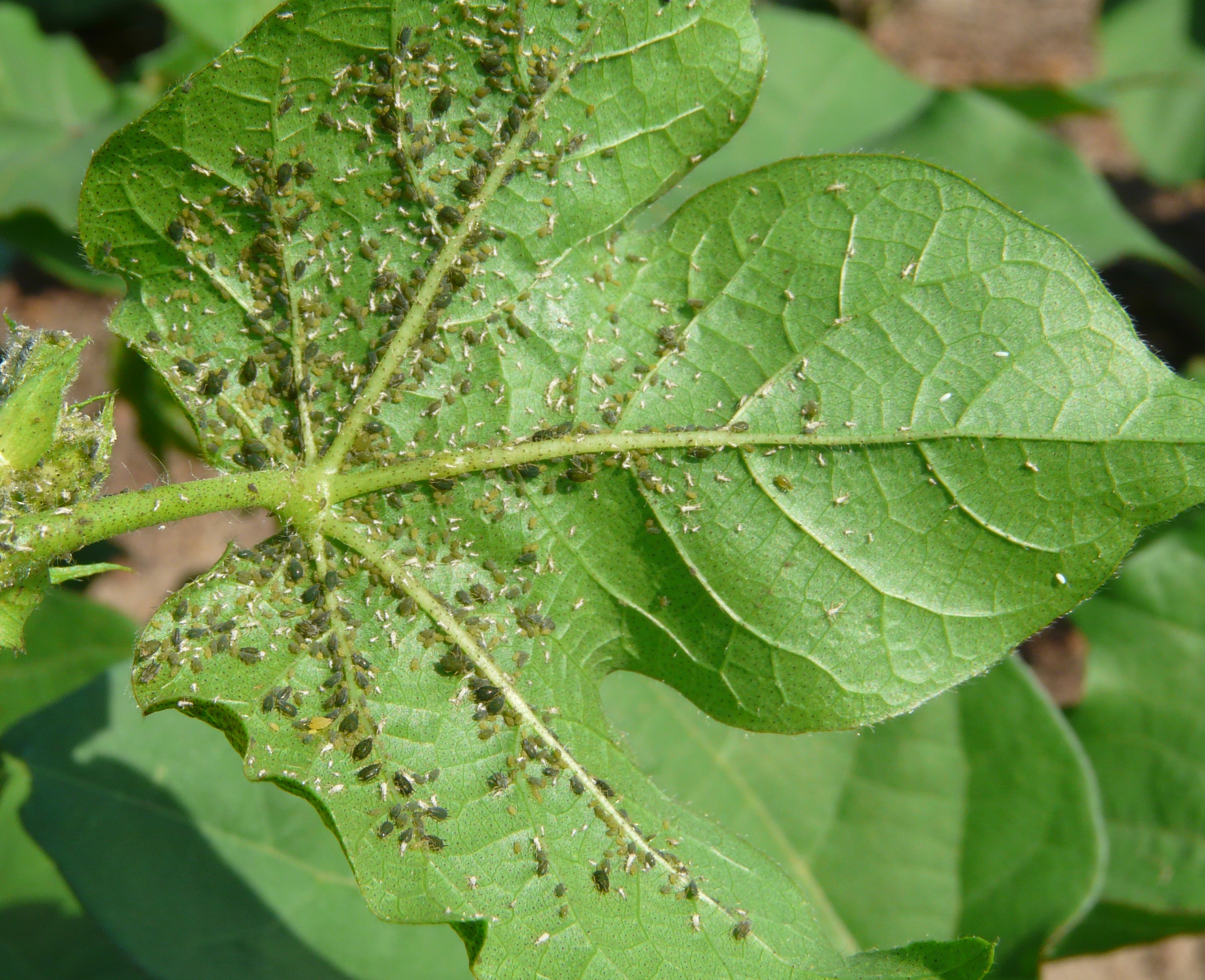
Aphids are small, soft-bodied insects that feed on plant sap. They cause leaves to yellow, curl, and stunt plant growth. Aphids also secrete honeydew, which promotes mold growth. Control methods include natural predators, insecticidal soaps, and neem oil.
Army worm
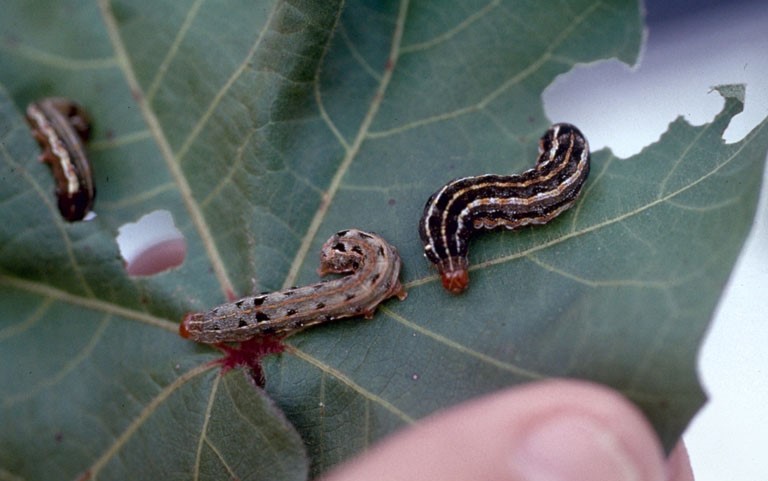
Army worms are caterpillars that travel in large groups and consume plant foliage. They cause significant damage to cotton plants by defoliating them. Control methods include biological control with bacteria, early detection, and targeted insecticide application.
Bacterial blight
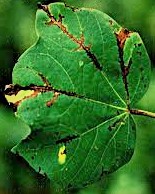
Bacterial blight is a serious cotton disease caused by Xanthomonas axonopodis. Symptoms include leaf spots, vein necrosis, and boll rot. It spreads through infected seeds and rain splash. Management involves using disease-free seeds, crop rotation, and foliar sprays with copper-based bactericides.
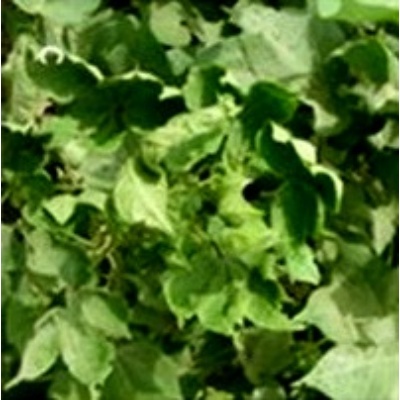
Cotton curl virus
Cotton leaf curl virus (CLCV) is a whitefly-transmitted disease. Symptoms include leaf curling, stiffening, and reduced yield. Management strategies include planting resistant varieties, timely sowing, and integrated whitefly control using insecticides and cultural practices.
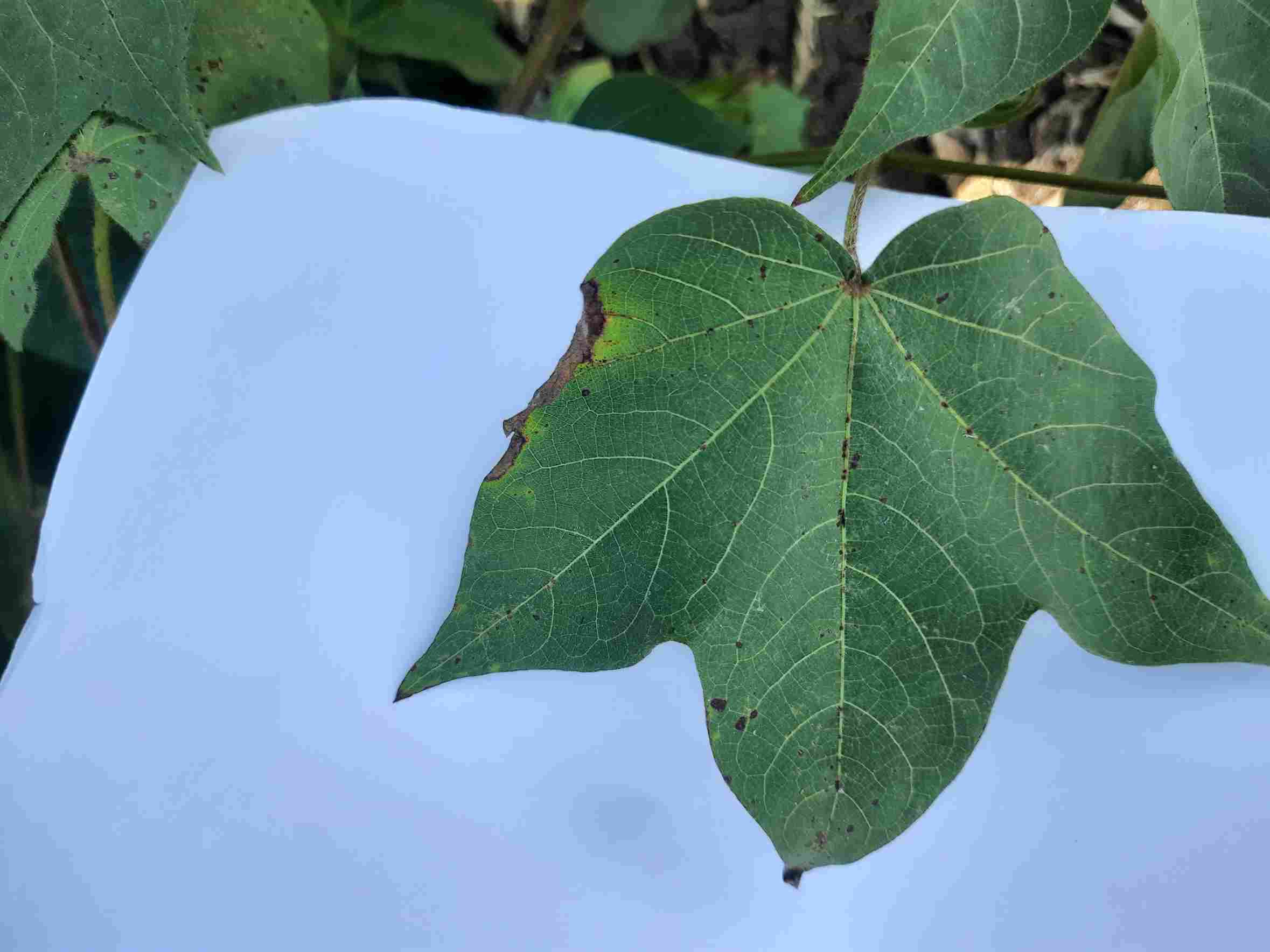
Fusarium wilt
Fusarium wilt is a soil-borne fungal disease caused by Fusarium oxysporum. Symptoms include wilting, yellowing, and plant death. It enters through roots and clogs water-conducting vessels. Management includes crop rotation, soil solarization, and planting resistant varieties.
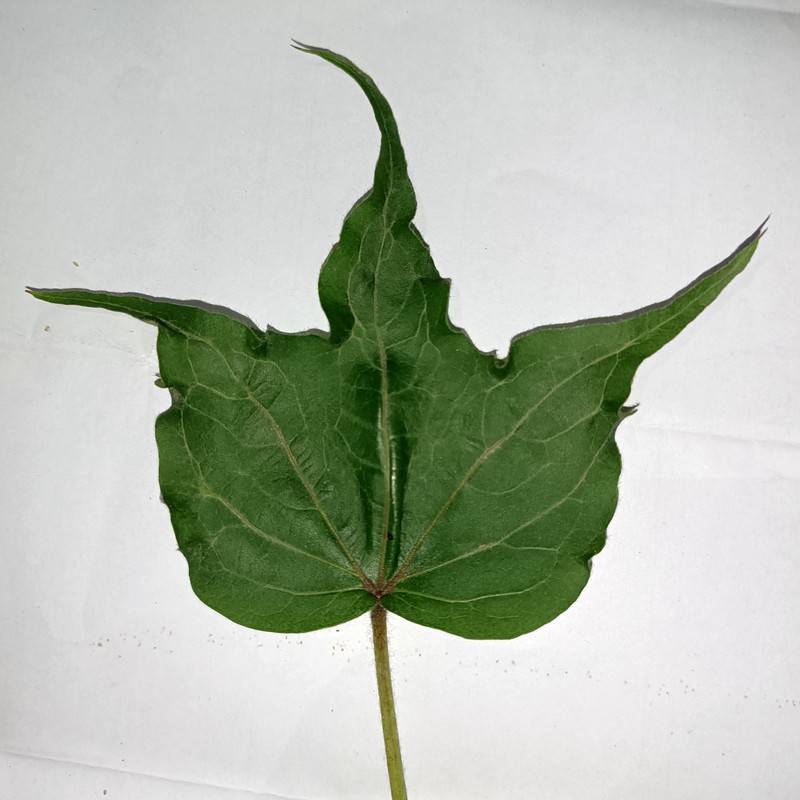
Herbicide Growth Damage
Herbicide damage occurs from improper application or drift. Symptoms include leaf distortion, stunted growth, and reduced yield. Prevention involves following application guidelines, using appropriate herbicides for cotton, and avoiding drift through proper spraying techniques.
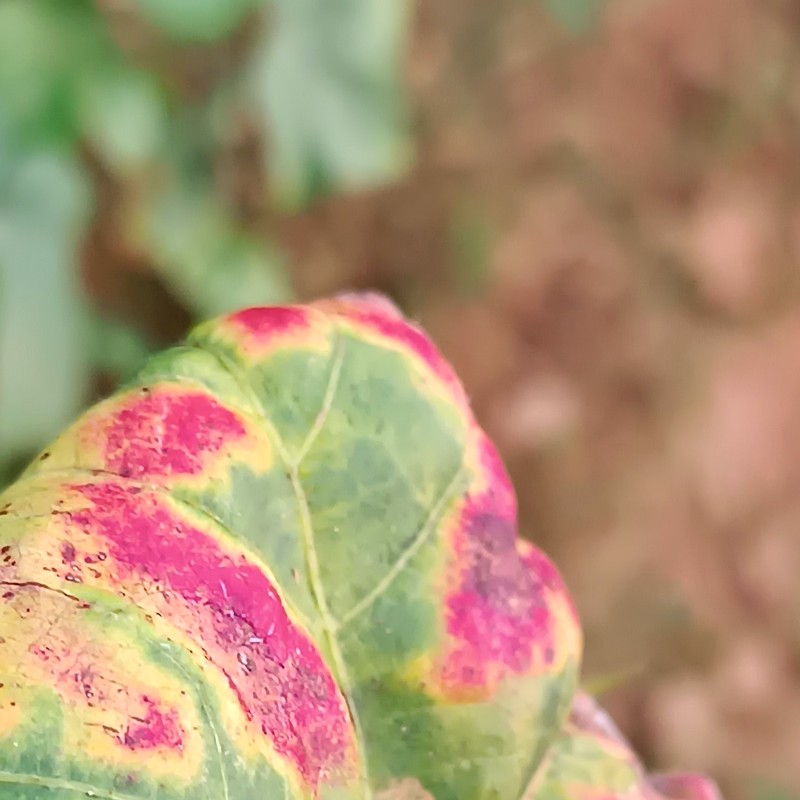
Leaf Redding
Leaf reddening is often a stress response to factors like nutrient deficiency, drought, or cool temperatures. Symptoms include red or purple discoloration of leaves. Management focuses on maintaining proper soil nutrition, adequate irrigation, and stress reduction practices.
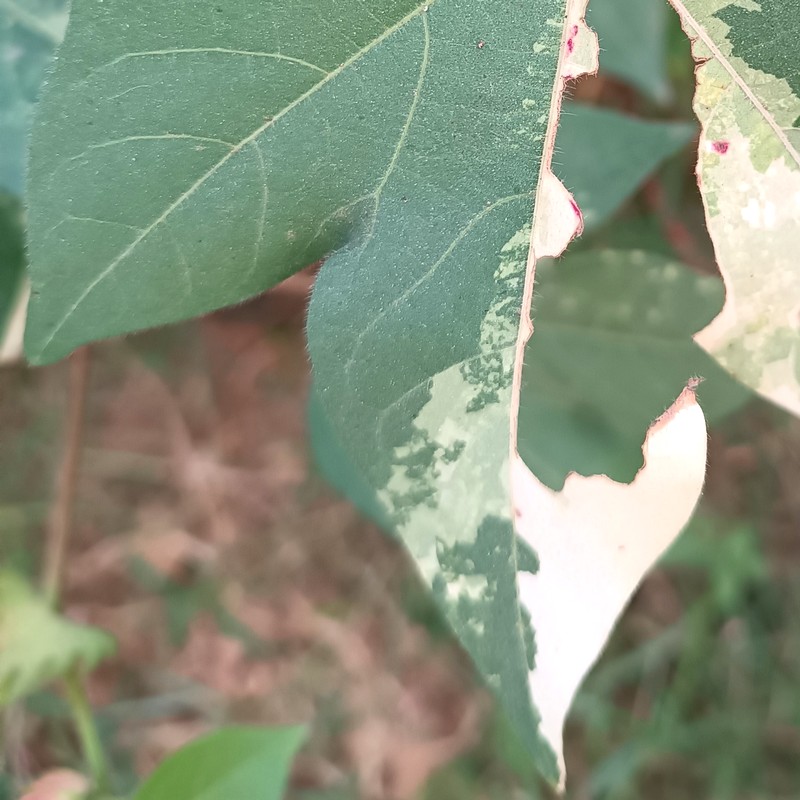
Leaf Variegation
Leaf variegation can be caused by genetic factors, viral infections, or nutrient imbalances. Symptoms include irregular yellow or white patterns on leaves. Diagnosis requires identifying the underlying cause, which may involve laboratory testing. Management varies based on the cause.
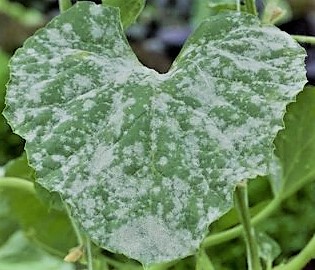
Powdery mildew
Powdery mildew is a fungal disease caused by Oidium spp. Symptoms include white powdery spots on leaves, which can spread to cover entire leaves. It thrives in warm, dry conditions. Management includes fungicides, resistant varieties, and improving air circulation around plants.
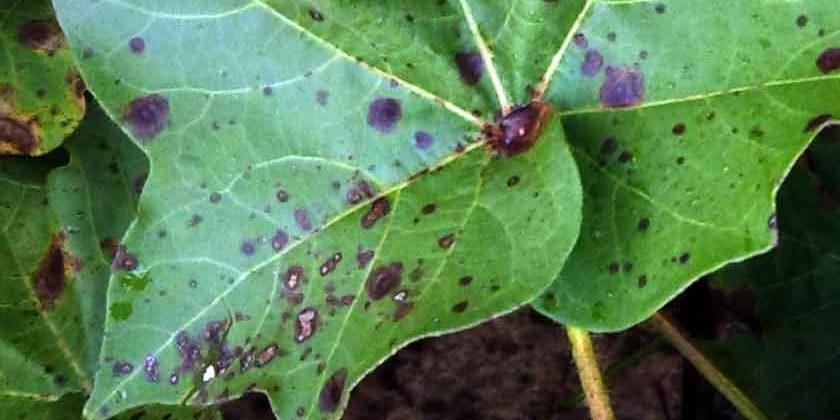
Target spot
Target spot is caused by the fungus Corynespora cassiicola. Symptoms include circular brown leaf spots with concentric rings. It spreads through wind and rain. Management involves fungicide applications, crop rotation, and residue management. Early detection is crucial for effective control.